
Best for calm, confident preparation: HypnoBirthing. Best for finding your rhythm during surges: breathing. Best for feeling held and supported: a trusted birth companion or doula. This 2026 guide brings together six natural ways to feel more comfortable and connected as you welcome your baby.
- HypnoBirthing combines breathing, relaxation, imagery, and birth education to help you prepare with confidence.
- Positive birth stories describe manageable surges, connection, and joy—not simply getting through labor.
- Breathing supports relaxation and gives you a familiar rhythm to return to.
- Combine HypnoBirthing with loving support, movement, warm water, and touch that feels good to you.
- Hypnotherapy Mind offers HypnoBirthing preparation and birth doula support with Candice Enriquez in Tampa.
Birth can be something you look forward to
You deserve to hear more than frightening stories about birth. There are also women who feel deeply focused, beautifully supported, and surprised by how well they work with the sensations of labor. Some enjoy the experience. Others remember its intensity alongside an even greater feeling of love, strength, and accomplishment.
At Hypnotherapy Mind, I support women preparing for birth through HypnoBirthing and doula care. Many of the women I work with describe very manageable births, some with little or no discomfort. Others find that their breathing carries them through the stronger moments and that the experience as a whole far outweighs those temporary sensations.
Those are their experiences, not a standard you have to meet. They deserve space in the conversation because they show that a positive birth is something you can genuinely imagine for yourself.
You do not have to become a different person to give birth. Preparation can help you feel more at home in yourself.
What makes a birth comfort method helpful?
The most useful methods support you rather than give you another task to perform perfectly.
- A sense of safety: You feel respected, listened to, and surrounded by people you trust.
- Familiarity: You have practiced enough that the technique feels welcoming rather than complicated.
- Freedom to respond: You can move, rest, ask for touch, or enjoy quiet as your needs change.
- Connection: Your attention can return to your breath, your body, your baby, or your companion.
- Personal fit: The approach reflects what actually feels good to you, not someone else's ideal birth.
This guide places HypnoBirthing first for women who want a connected mind-and-body approach to preparation. The other methods are companions to it, not competitors.
Natural birth comfort at a glance
| Method | Best for | What it offers | What to plan for |
|---|---|---|---|
| 1. HypnoBirthing | Calm, confident preparation | Breathing, relaxation, imagery, and birth education | Time to make the practices familiar |
| 2. Comfortable breathing | Finding your rhythm through surges | A steady focus and a way to soften tension | A comfortable pace rather than a rigid count |
| 3. A birth companion or doula | Feeling held throughout labor | Reassurance, practical help, and respect for your wishes | Someone who understands your preferred support |
| 4. Movement and position changes | Following your body's preferences | Swaying, leaning, resting, and changing position | Comfortable support and space to move |
| 5. Warm water | Warmth and whole-body ease | A bath, shower, or birth pool where available | Checking the options at your birth setting |
| 6. Massage and counterpressure | Enjoying reassuring touch | Gentle massage or steady pressure where welcome | Practicing what feels good and asking before touching |
1. HypnoBirthing: best for calm, confident preparation
HypnoBirthing brings together birth education, self-hypnosis, relaxation, breathing, and visualization. Self-hypnosis here means a focused state of relaxation: you remain aware and able to make your own choices. You are learning ways to settle into yourself, not handing control to someone else.
The preparation can be wonderfully ordinary. Listening to a relaxation recording, practicing with your partner, and imagining meeting your baby create familiar moments you can return to when labor begins. A voice, a piece of music, or a simple phrase can become a welcome reminder of the calm you have practiced.
HypnoBirthing also makes room for a different relationship with birth. Instead of anticipating something you must battle, you can explore what it feels like to work with your body and respond to each surge as it comes.
What women appreciate about HypnoBirthing:
- A calmer way to think and speak about birth.
- Breathing and relaxation practices they can use during pregnancy and labor.
- A meaningful role for their partner or support person.
- Greater confidence in expressing their preferences.
What to plan for: Make space for practice, and choose guidance that feels reassuring to you. Recordings and teaching styles differ; you do not need to connect with every voice or visualization.
Best for: Women who want to prepare emotionally as well as practically for their baby's arrival.
My recommendation: Choose HypnoBirthing when you want preparation that brings your breath, attention, and sense of trust together. Hypnotherapy Mind offers this preparation with Candice Enriquez in Tampa.
Positive birth stories deserve to be heard
Online birth-story collections include women describing confidence, enjoyment, and a strong sense of connection. The stories are personal accounts, often shared on course providers' websites. They offer a window into what women valued—not a prediction of exactly how your own birth will unfold.
Here are three examples that make room for the positive side of birth:
- Beth's first birth: In a story published by The Bump to Baby Chapter on March 18, 2026, Beth describes moving from anxiety to feeling calm, informed, and prepared. She used breathing, movement, a bath, and affirmations, then continued her breathing alongside gas and air. Looking back, she called the experience empowering and said she would do it again.
- Tabitha's birth: In a home water-birth account published by Kent Hypnobirthing in 2022, the mother describes breathing, music, warm water, and a doula's gentle support. After lifting her baby to her chest, she remembered feeling strong, empowered, emotional, and full of love.
- Lucas's birth: A mother whose story appeared on Kent Hypnobirthing in 2023 describes enjoying her sensations while using breathing and visualizing a quiet sea. Her birth eventually included an assisted delivery, yet she described the overall experience as intense and beautiful. Preparation helped her feel connected to her partner and involved in her decisions.
The common thread is not one location or one type of birth. It is women feeling supported, finding ways to meet the experience, and remembering much more than its strongest moments.
There is room for pleasure, pride, tenderness, and joy in the story you tell yourself about birth.
2. Comfortable breathing: best for finding your rhythm
Breathing sits at the heart of HypnoBirthing because it gives you something familiar to return to. You do not need to think about the entire labor at once. You can meet this breath, this surge, and then the space that follows.
Slow, comfortable breathing can help settle your nerves and reduce the feeling of being swept up in anticipation. As you exhale, you might notice whether your jaw, shoulders, or hands are holding tension and gently invite them to soften.
There is a real mind-body connection here. A 2018 review by Zaccaro and colleagues examined 15 studies of slow breathing in healthy adults and found links with nervous-system changes, relaxation, and emotional well-being. It was not a childbirth study, but it helps explain why breathing can be more than a distraction: it can support how you feel in your body.
In labor, the aim is to release unnecessary tension while your body does its work. You might picture softness or opening if that image feels comforting; the image is a relaxation tool, not something you must accomplish with each breath.
What comfortable breathing offers:
- A steady focus during changing sensations.
- A way to notice and soften tension.
- A familiar practice your companion can gently support.
What to plan for: Keep the rhythm comfortable, without forcing deep breaths or holding your breath. If a counting pattern feels distracting, return to an easy, natural pace.
Best for: Women who want a simple, embodied practice they can carry with them.
My recommendation: Practice breathing as an invitation to settle, not a test to pass.
3. A birth companion or doula: best for feeling held
Sometimes the most reassuring part of birth is knowing someone understands you. A trusted companion or doula can offer a hand, help arrange a comfortable position, remind you of a familiar practice, or simply sit beside you without filling the room with words.
Support feels different for every woman. You might want gentle encouragement and eye contact. You might prefer quiet, with someone close enough that you can reach for them.
What steady support offers:
- A familiar presence as the experience changes.
- Practical help so you can stay with your rhythm.
- Someone who knows your wishes and supports your voice.
What to plan for: Talk beforehand about what reassures you. Too much coaching can interrupt your focus, even when it comes from a loving place.
Best for: Women who want companionship that feels personal and responsive.
My recommendation: Choose someone who can follow your lead, not direct your performance.
4. Movement and position changes: best for following your body
You might enjoy swaying with your partner, leaning over a supported surface, resting on your side, or kneeling while someone stays close. Movement can be small. Rest belongs here too.
The helpful question is not whether you are using the most impressive position. It is whether this position gives you comfort, support, or room to breathe.
What movement offers:
- Choices as your preferences change.
- A way to combine breathing with swaying or gentle rhythm.
- Opportunities to rest as well as be active.
What to plan for: Have pillows and comfortable supports available. Follow your body's preferences within the movement options your birth team recommends.
Best for: Women who enjoy responding physically rather than remaining in one position.
My recommendation: Explore positions gently and keep the ones that feel good.
5. Warm water: best for warmth and whole-body ease
Warm water can create a welcome change of sensation. A shower, bath, or birth pool gives you a different way to enjoy warmth and settle into your breathing.
For some women, the appeal is being surrounded by water. Others prefer a shower flowing over their back while they lean forward. Either can sit alongside music, quiet reassurance, and a familiar relaxation practice.
What warm water offers:
- Warmth without needing continuous touch.
- A different sensory setting.
- A natural companion to breathing and relaxation.
What to plan for: Check what your birth setting offers. Laboring in a pool and giving birth in water are separate options, so discuss your preferences beforehand.
Best for: Women who already find water soothing.
My recommendation: Include water in your comfort plan if warmth helps you feel at ease.
6. Massage and counterpressure: best for reassuring touch
A slow back massage, a hand resting on your shoulder, or steady pressure against your lower back can feel reassuring when you welcome it. Counterpressure simply means holding pressure against an area where you would like support.
Your companion can ask what feels good and follow your response. You do not have to want the same kind of touch throughout labor.
What touch offers:
- A tangible feeling of connection.
- Comfort directed toward a particular area.
- A practical way for your companion to participate.
What to plan for: Practice different kinds of touch beforehand, and make asking permission part of the habit. Your preferences can change without needing an explanation.
Best for: Women who enjoy touch as a source of reassurance.
My recommendation: Choose gentle, responsive touch and leave room for quiet when you want it.
How these methods are ranked
This is a preference-based guide for women interested in HypnoBirthing, not a clinical league table. HypnoBirthing leads because it brings several preparation tools together; breathing follows as a practice you can return to throughout the experience.
Support, movement, water, and touch help you shape the surroundings and sensations that suit you. You can enjoy more than one at a time, and your favorite combination might change.
Build a comfort plan that feels like you
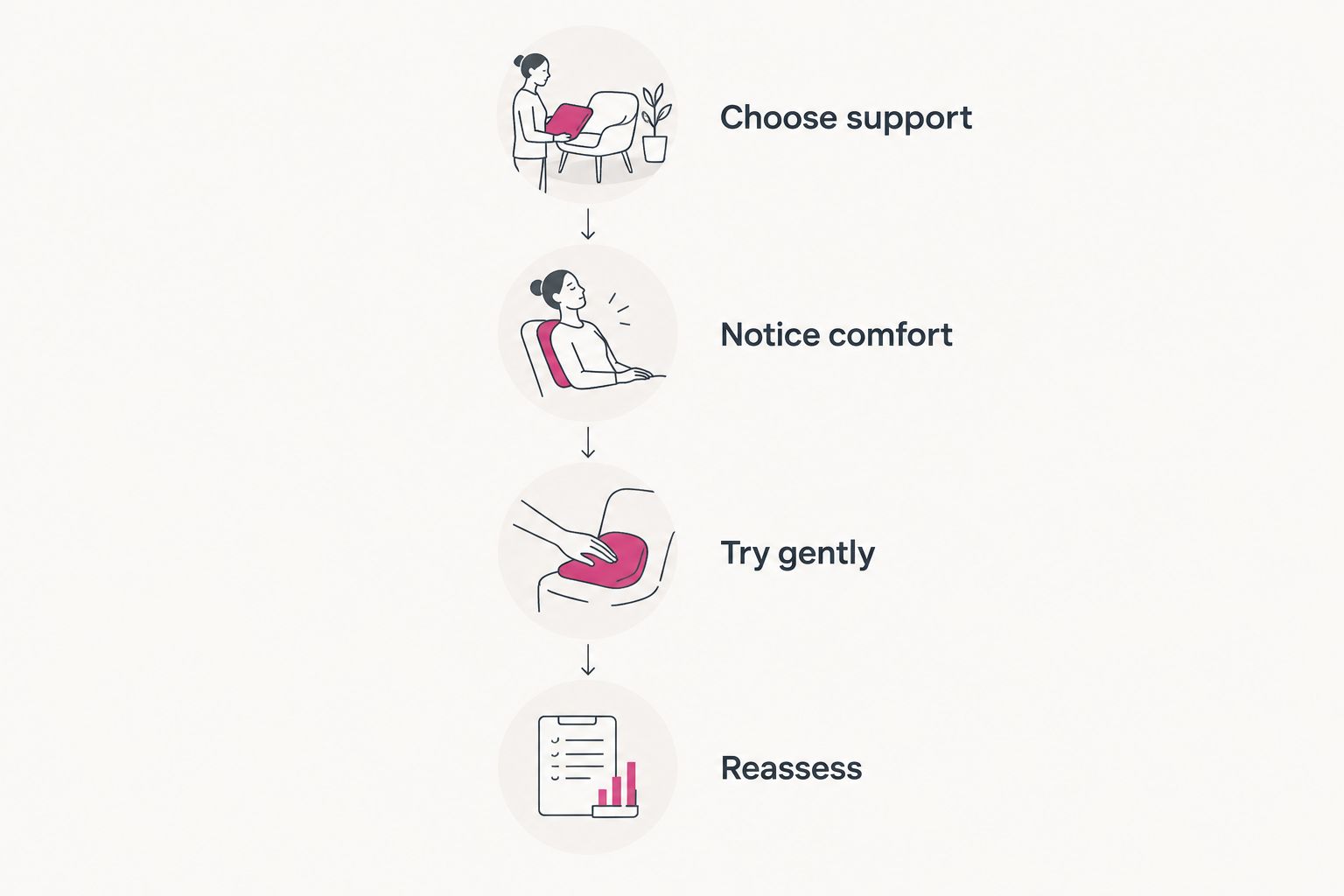
Start with HypnoBirthing preparation and comfortable breathing, then choose the people and surroundings that help you feel held. A useful plan can be simple:
- Choose support: Who helps you feel listened to and at ease?
- Notice comfort: Do you enjoy warmth, movement, touch, music, or quiet?
- Try gently: Practice together before birth, without trying to perfect everything.
- Reassess: Keep what feels helpful and change what no longer fits.
Your maternity team remains part of your care; these practices support your experience alongside that care, however your birth unfolds.
At Hypnotherapy Mind, I help women explore HypnoBirthing and birth support in a way that feels personal. We can begin with what you hope to feel: confident, connected, respected, and ready to meet your baby.
Prepare for birth with warmth and confidence
Explore HypnoBirthing preparation and birth doula support with Candice Enriquez in Tampa.
FAQ
What is HypnoBirthing?
HypnoBirthing is childbirth preparation using breathing, relaxation, self-hypnosis, imagery, and birth education. It helps you build familiar ways to settle and focus as you welcome your baby.
Do women actually enjoy HypnoBirthing?
Yes. Published birth stories include women who describe enjoying their sensations, feeling empowered, and remembering the experience with joy. Those personal accounts show possibilities rather than a single expected outcome.
How does breathing help during birth?
Comfortable breathing provides a steady focus and can support relaxation. It gives you a way to notice and soften unnecessary tension while responding to the changing sensations of labor.
Will I be aware of what is happening during self-hypnosis?
Yes. Self-hypnosis in HypnoBirthing is focused relaxation, not being unconscious or handing over control. You remain able to communicate and make choices.
Can my partner practice HypnoBirthing with me?
Yes. Practicing together helps your partner recognize the words, recordings, touch, and breathing reminders you find reassuring. Quiet companionship can be just as welcome as active encouragement.
When should I begin practicing?
Begin during pregnancy so the practices have time to become familiar. Candice can help you explore preparation that fits the time you have and the support you want.
Can I use HypnoBirthing if my birth plans change?
Yes. Breathing, relaxation, and supportive communication can remain useful in different birth settings and circumstances. Your preparation belongs to you, not to one particular type of birth.
Do I need to use all six comfort methods?
No. Choose the practices that help you feel comfortable and connected. HypnoBirthing and breathing can be your starting point, with movement, warmth, or touch added as you wish.
One last thing
When you practice, include the rest between the surges in your imagination. Picture your shoulders settling, your companion nearby, and a quiet moment before the next wave.
Birth is not one continuous sensation. Making room in your preparation for those pauses can help you imagine the whole experience—not just its most intense moments, but also its closeness, anticipation, and the first time you meet your baby.
Sources and birth stories
- Beth's positive first-birth story, The Bump to Baby Chapter, March 2026
- Tabitha's home water-birth story, Kent Hypnobirthing, 2022
- Lucas's birth story, Kent Hypnobirthing, 2023
- Zaccaro and colleagues' review of slow breathing in healthy adults, 2018